Industrial Mastery Pathway
Silica Dust Advanced: Nuclear (US)
Operational Overview
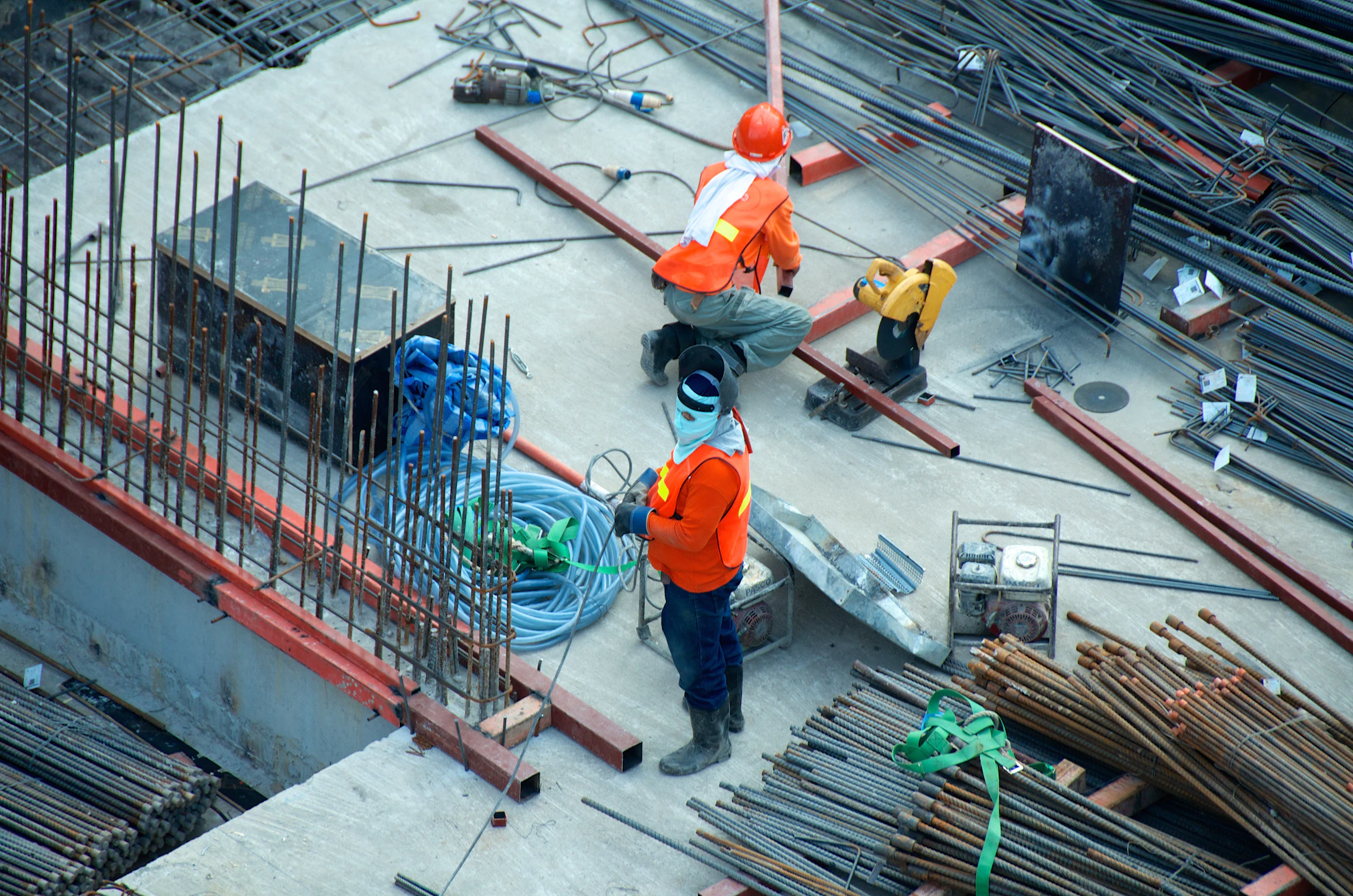
Respirable crystalline silica is a hazard many Professionals associate with construction sites, not nuclear facilities. On a nuclear site, it shows up in concrete demolition during decommissioning, abrasive blasting, refractory brick work, and soil disturbance during site remediation, often in exactly the same areas where radiological controls already apply.
This course builds on general silica awareness to address the specific challenges of a nuclear operating environment: exposure limits that differ depending on whether work counts as general industry or construction, respiratory protection that has to satisfy two separate hazards at once, and the genuine risk that silica dust itself becomes radiologically contaminated during decommissioning work.
Node Parameters
Authorisation Cost
£25
Inclusion & Accessibility
Engineered for total accessibility. We provide full screen-reader compatibility and high-contrast visual modes.
Support: support@ikigaixr.com
System Configuration
Instructional Objectives
- Explain the physiological mechanism of silicosis and why it is irreversible.
- Identify the applicable OSHA, NIOSH, and ACGIH exposure limits and the jurisdictional split between OSHA and 10 CFR Part 851 depending on facility ownership.
- Recognise nuclear-specific silica sources including decommissioning demolition, abrasive blasting, and refractory work.
- Apply exposure assessment and monitoring requirements.
- Apply the hierarchy of controls to silica dust in a nuclear operating environment.
- Select and fit respiratory protection compatible with radiological controls.
- Describe the required elements of a silica medical surveillance programme.
- Manage the combined demands of silica control and radiological contamination control.