Industrial Mastery Pathway
Silica Dust Advanced (Canada)
Operational Overview
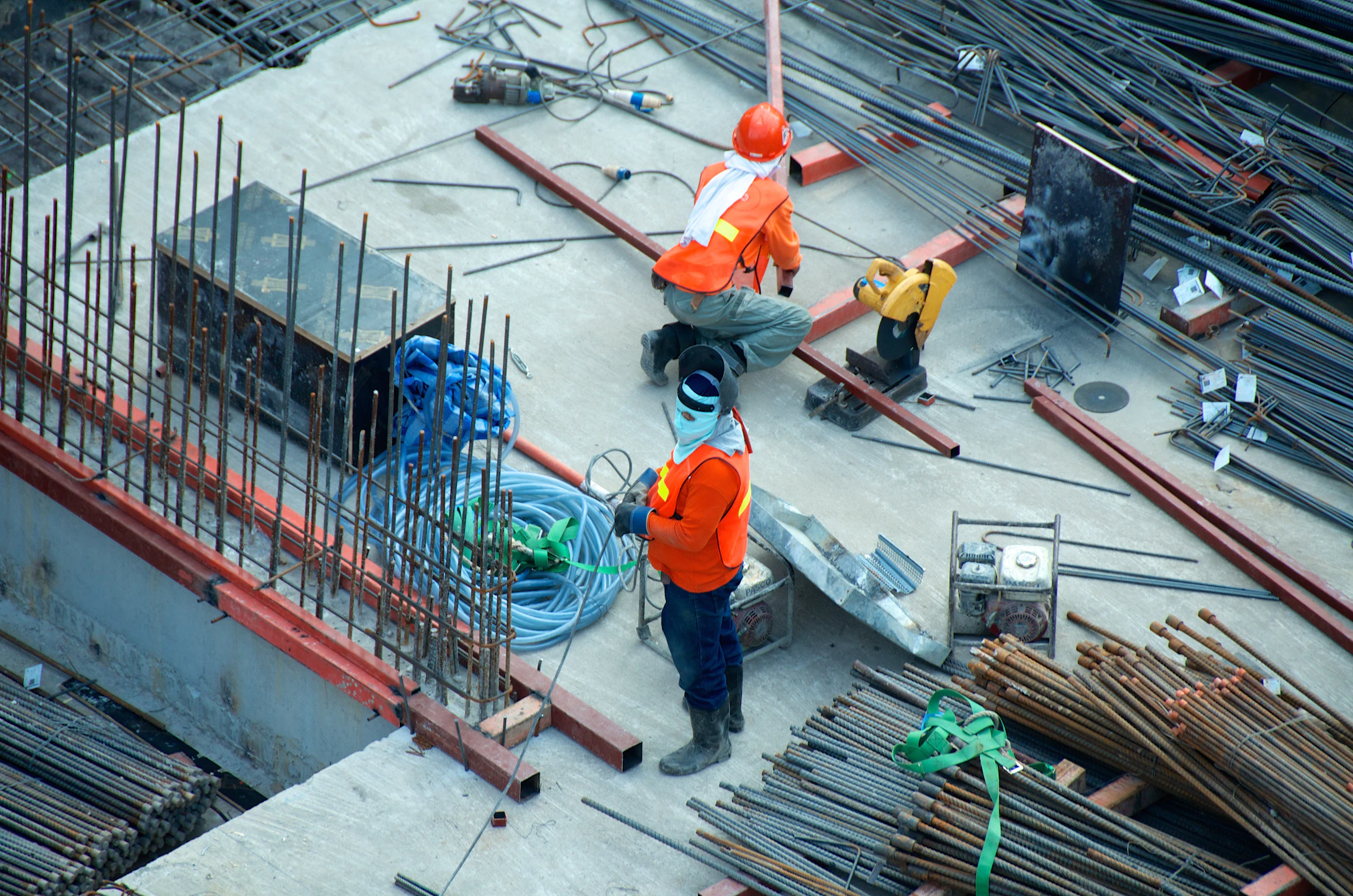
Respirable crystalline silica is one of the most common hazards on a Canadian worksite, generated whenever concrete, stone, brick, or sand-containing material is cut, ground, drilled, or crushed. The damage it causes is permanent, and it often develops silently over years before a Worker notices anything wrong.
Unlike some hazards, there is no single Canadian exposure limit to memorise. Occupational health and safety is provincial and territorial jurisdiction in Canada, which means the exposure limit that applies to you depends on where you are working, not just what you are doing.
This course builds your understanding of the hazard itself, the practical reference points used across Canada, and the controls that keep you safe regardless of which province's specific number applies on a given site.
Node Parameters
Authorisation Cost
£25
Inclusion & Accessibility
Engineered for total accessibility. We provide full screen-reader compatibility and high-contrast visual modes.
Support: support@ikigaixr.com
System Configuration
Instructional Objectives
- Explain how silica dust causes irreversible lung damage.
- Apply the ACGIH Threshold Limit Value of 0.025 mg/m³ as the practical reference point where a jurisdiction has not adopted its own limit.
- Recognise that provincial limits vary meaningfully in practice, for example British Columbia and Alberta both set 0.025 mg/m³ for quartz and cristobalite, while Ontario sets 0.05 mg/m³ for cristobalite and a notably looser 0.10 mg/m³ for quartz under O. Reg. 833.
- Identify common silica-generating tasks and sources.
- Apply the hierarchy of controls to silica dust.
- Select and fit appropriate respiratory protection.
- Describe the role of medical surveillance where a jurisdiction requires it.